snake, apple, paradise, eve, bible, forbidden fruit, temptation, eden, adam, snake, snake, snake, snake, snake, temptation, temptation, temptation, eden

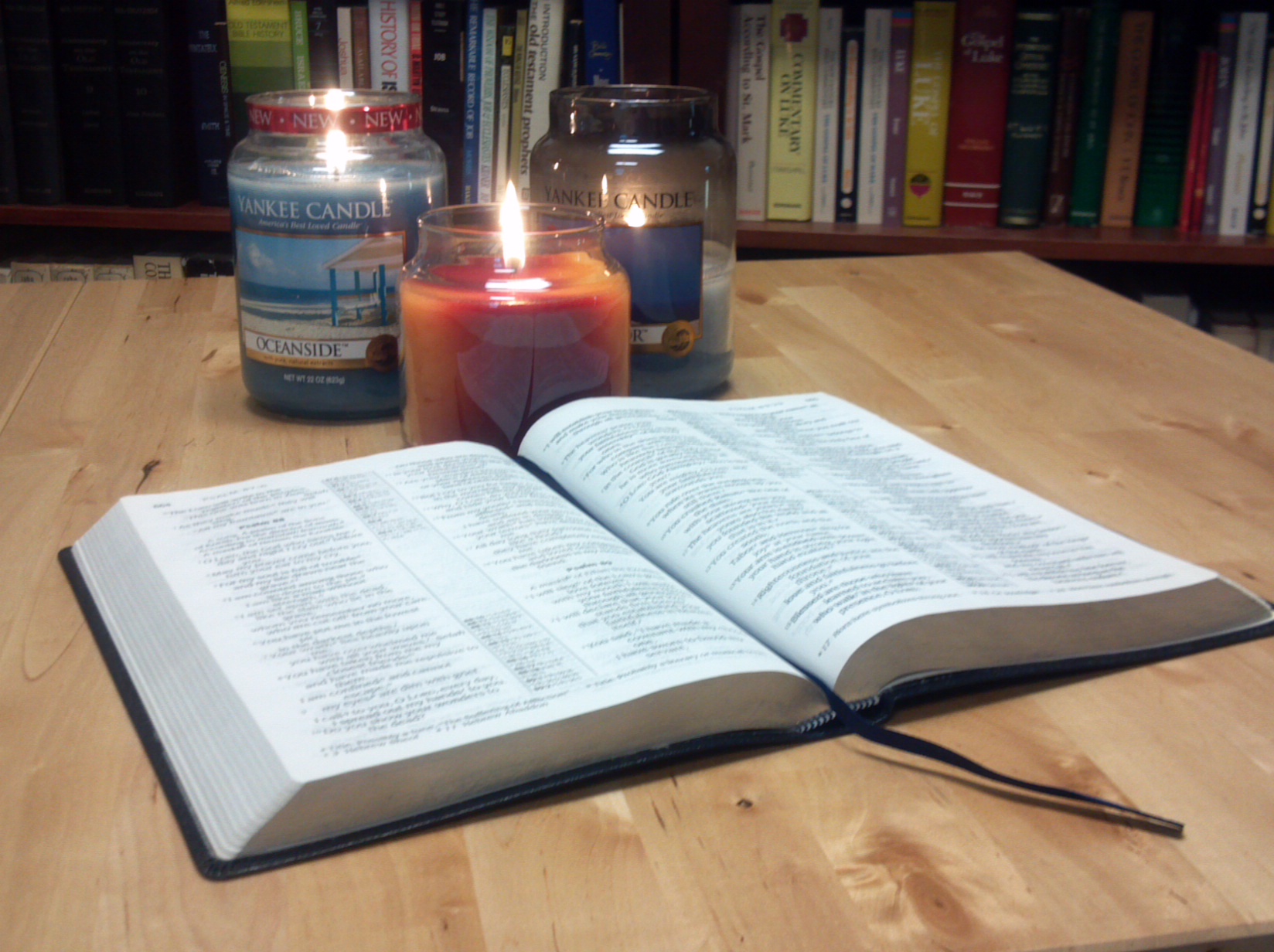
As we move into the first full week of the Lenten Season, we want to focus our thoughts on the reason for the Easter season. Though we can point to the sin of Adam and Eve in the Garden, the truth is Easter is about all our sin. Our Bibles are opened to Psalm 32 as we begin to ponder the depth of our sin.

Psalm 32

New English Translation (NET)

New International Version (NIV)

Easy-To-Read Version (ERV)

By David; a well-written song.

32 How blessed is the one whose rebellious acts are forgiven,
whose sin is pardoned.
How blessed is the one whose wrongdoing the Lord does not punish,
in whose spirit there is no deceit.
When I refused to confess my sin,
my whole body wasted away,
while I groaned in pain all day long.
For day and night you tormented me;
you tried to destroy me in the intense heat of summer. (Selah)
Then I confessed my sin;
I no longer covered up my wrongdoing.
I said, “I will confess my rebellious acts to the Lord.”
And then you forgave my sins. (Selah)
For this reason every one of your faithful followers should pray to you
while there is a window of opportunity.
Certainly when the surging water rises,
it will not reach them.
You are my hiding place;
you protect me from distress.
You surround me with shouts of joy from those celebrating deliverance. (Selah)
I will instruct and teach you about how you should live.
I will advise you as I look you in the eye.
Do not be like an unintelligent horse or mule,
which will not obey you
unless they are controlled by a bridle and bit.
10 An evil person suffers much pain,
but the Lord’s faithfulness overwhelms the one who trusts in him.
11 Rejoice in the Lord and be happy, you who are godly!
Shout for joy, all you who are morally upright!

By David; a well-written song.

32 How blessed is the one whose rebellious acts are forgiven,
whose sin is pardoned.
How blessed is the one whose wrongdoing the Lord does not punish,
in whose spirit there is no deceit.
When I refused to confess my sin,
my whole body wasted away,
while I groaned in pain all day long.
For day and night you tormented me;
you tried to destroy me in the intense heat of summer. (Selah)
Then I confessed my sin;
I no longer covered up my wrongdoing.
I said, “I will confess my rebellious acts to the Lord.”
And then you forgave my sins. (Selah)
For this reason every one of your faithful followers should pray to you
while there is a window of opportunity.
Certainly when the surging water rises,
it will not reach them.
You are my hiding place;
you protect me from distress.
You surround me with shouts of joy from those celebrating deliverance. (Selah)
I will instruct and teach you about how you should live.
I will advise you as I look you in the eye.
Do not be like an unintelligent horse or mule,
which will not obey you
unless they are controlled by a bridle and bit.
10 An evil person suffers much pain,
but the Lord’s faithfulness overwhelms the one who trusts in him.
11 Rejoice in the Lord and be happy, you who are godly!
Shout for joy, all you who are morally upright!

A maskil of David.

32 It is a great blessing
    when people are forgiven for the wrongs they have done,
    when their sins are erased.[a]
It is a great blessing
    when the Lord says they are not guilty,
    when they don’t try to hide their sins.

Lord, I prayed to you again and again,
    but I did not talk about my sins.
    So I only became weaker and more miserable.
Every day you made life harder for me.
    I became like a dry land in the hot summertime. Selah

But then I decided to confess my sins to the Lord.
    I stopped hiding my guilt and told you about my sins.
    And you forgave them all! Selah

That is why your loyal followers pray to you while there is still time.
    Then when trouble rises like a flood, it will not reach them.
You are a hiding place for me.
    You protect me from my troubles.
You surround me and protect me,
    so I sing about the way you saved me. Selah

The Lord says, “I will teach you
    and guide you in the way you should live.
    I will watch over you and be your guide.
Don’t be like a stupid horse or mule that will not come to you
    unless you put a bit in its mouth and pull it with reins.”

10 Many pains will come to the wicked,
    but the Lord’s faithful love will surround those who trust in him.
11 Good people, rejoice and be very happy in the Lord.
    All you who want to do right, rejoice!

OTHER TRANSLATIONS

NASB Psalm 32 NASB

NCV Psalm 32 NCV

ESV Psalm 32 ESV

MSG Psalm 32 MESSAGE

KJV Psalm 32 KJV

NKJV Psalm 32 NKJV

RSV Psalm 32 RSV

HCSB Psalm 32 HCSB

NLT Psalm 32 NLT

LEB Psalm 32 LEB

New English Translation (NET)

NET Bible® copyright ©1996-2017 by Biblical Studies Press, L.L.C. http://netbible.com All rights reserved.

New International Version (NIV)

Holy Bible, New International Version®, NIV® Copyright ©1973, 1978, 1984, 2011 by Biblica, Inc.® Used by permission. All rights reserved worldwide.

Easy-to-Read Version (ERV)

Copyright © 2006 by Bible League International

What Kind of Psalm is This?

Psalm 32 contains the second of the so-named “Penitential Psalms” – psalms that reflect a repentant heart or spirit. The other such psalms are Psalm 6, Psalm 38, Psalm 51, Psalm 102, Psalm 130, and Psalm 143. The psalm might better be called a psalm of instruction. The heading maskil seems to mean the giving of instruction. There are twelve psalms that carry this title.

Interpretation of Psalm 32 connects with the understanding of Psalm 51, David’s powerful psalm of repentance. David sinned in committing adultery with Bathsheba, who became pregnant. The King then manipulated battle plans so that Uriah, her husband, would lost is life in the war. David tried to cover up the sins, but an eventual confrontation with the prophet Nathan brought David to repentance.

Psalm 51 reflects the confrontation and repentance. It appears to have been written before Psalm 32. The latter psalm shows reflection and understanding. Leupold suggests that Psalm 32 is the fulfillment of the vow that David made in the earlier psalm: “Then I will teach transgressors your ways, so that sinners will turn back to you” (Psalm 51:13).

The Psalm certainly developed as a means of instruction. Paul would later quote from this psalm in Romans 4 as he developed his argumentation that justification is by grace through faith alone – not through works. He links David’s testimony with the experience of Abraham found in Genesis 15:6.

This Psalm was St. Augustine’s favorite psalm. He had it inscribed on the wall of his cell before his death. He liked it because “the beginning of knowledge is to know oneself as a sinner.”

Wouldn’t it be amazing

if a fallen leader today

would repent, reflect,

and then teach us

what they learned about

the depth of our sin

and how to really avoid it?

Lessons to be Learned

For our thoughts today, we want to learn about the depth of our sin, about forgiveness, and about the blessings of understanding the faithfulness of God. Wednesday we will spend our time talking about confession and on Friday we will center on being able to set aside the feelings of guilt.

So let’s talk first about sin. If we are going to understand why Jesus had to go to the cross, we first need to understand the depth of our sin. If I asked you to define sin, where would you start? How would you begin to describe what sin is? We rarely talk about sin today – making it all the more difficult to define.

Ordinarily, one defines sin as “transgression against the Law.” We usually see sin as an action. Adam and Eve disobeyed by eating the apple. David sinned at enormous level – adultery and murder. But sin is deeper than any one action. Sin rests within our nature. Our nature of sin repells – like opposite poles of a magnet – against the nature of God. When we sin, we transgress the very nature of God.

Words for the depth of our sin

This is why in Psalm 51, David is able to say “Against you, you only, have I sinned and done what is evil in your sight” (Psalm 51:4). In Psalm 32, David uses three different Hebrew words for sin. The first, peshah, is often translated transgression. It literally means “a going away” or “departure.” It speaks of a departure from the authority of God. While transgressions can hurt others and have varying degrees of consequences, at the root the transgression rebels against God.

The second word, chattath, translated sin in verse 1, parallels the Greek hamartia – missing the mark. Literally, it means falling short of the mark. Imagine an archer shooting an arrow at a bull’s eye on a target. The image is not that he barely missed the bull’s eye but was in one of the outer circles. The archer did not have the strength to get the arrow to the target. The arrow fell to the ground long before coming to the target. If we are to be holy as God is holy, we don’t even come close to His holiness.

The third word for sin, hawon, iniquity, which some versions simply translate as sin. The word means “corrupt” or “twisted.” Sin corrupts – twists – the nature we are supposed to be. We indulge in sin because we are twisted.

There was no “Law” in the Garden. No Law told Cain that he shouldn’t kill Abel. The Law was not in effect when Noah escaped punishment in an ark. Adam rejected the nature of God and therefore sinned. The bite from the fruit was almost irrelevant.

I twist who God is in my heart. My mind rationalizes what God has done. The attitude starts long before committing the action.

Words for What God Does

The three words for sin in the opening paragraph are matched by a second set of words describing what God does with the sin of those who confess it to Him. God forgives sin, covers over the depth of our sin, and refuses to count it against the sinful person.

The first thing that God does – forgives sin – literally means to have the sin lifted off. The Scripture uses the image of sin as a weight or a burden. The hymnist wrote, “Burdens are lifted at Calvary. Jesus is very near.” To continue with the image of the magnets, our metal has been “de-magnetized” so that our nature and God’s nature can again be attracted.

Old Testament Imagery

The second thing that God does draws its imagery from the Day of Atonement. God covers over our sin. On the Day of Atonement, the High Priest took the blood of the sacrificed animal and sprinkled it on the mercy seat of the Ark of the Covenant. The blood on the mercy seat – the lid on the top of the Ark – came between the presence of God and the Law (the Ten Commandments inside the Ark) which had been broken by the people. The blood covered the broken Law, shielding the sinner from God’s judgment.

The third thing is actually what God doesn’t do. God does not count our sin against us. The word “count” is translated “impute” in other places. This word is an accounting term. Instead of adding the negative number of our sins in our column, Christ’s righteousness is added. Instead, our sins are placed in Christ’s column. In turn, He paid the cost. This is why Paul quotes these verses in Romans 4:7-8.

Understand the concept. It does not matter how you have sinned. Adultery or murder, like David. Lying and cheating. Stolen money or cursed God, He doesn’t count them, if you confess your sins to the Father. If God doesn’t count them, why should we? How many times should you forgive? Seventy times seven. More than you can count.

The Blessing

There is much more to discuss about the depth of our sin when we consider confession and removal of guilt later this week. Think for a moment about how you react when someone says you have done something wrong. In essence, it is the same reaction we have toward our sins. First, I deny that I have sinned. Then, I admit but I rationalize. I need to take responsibility and recognize the sin is against more than my neighbor – it is against the very nature of God.

“Did you … ?” “Of course not, I would not do something like that.”

“Well, I did … but it wasn’t as bad as my neighbor. Well, I did … but I wouldn’t have if I had been treated better.”

“Oh my Father! I have sinned against your very nature because of my selfish, rebellious ways.”

The forgiveness of God is for all. Everyone is equal at the foot of the cross. All sins are accounted for.

Bible, Growing the faith

This Lenten season we are striving for spiritual growth and development by taking three steps during our devotions. We want to resolve to take action; to recharge to have the strength to succeed; and to renew our minds to approach living out our faith in a new and vibrant way. But we also want to think about the nature of our sin and the gracious plan for redemption that God has provided. To do so, let’s look at some reasons for studying the Psalms.

Why study the Psalms at Easter? Don’t we usually look to Isaiah or the Gospels? Remember for a moment that the Psalms were written as music.

One of the reasons for studying the Psalms comes because music touches the soul by acting as a bridge between your emotional, psychological, and spiritual self. Music is capable of weaving a tapestry of notes and words to evoke deep feelings of emotion, reduce stress, and trigger memories. It serves as a source of comfort, healing, connection, and challenge. Music pours a cement foundation of unity.

The Power of Music

Research from Northshore University Health System in Chicago asserts that music stimulates memories that wrap themselves around us. Music increases levels of serotonin and endorphins. These chemicals elevate our mood and relieve depression. Music reduces blood pressure and lowers the stress chemical cortisol.

This Easter I want my emotions and mind sharp and stirred. Music stands a great chance at swinging my mood and emotions.

I became convinced of the power of music when I was a youth minister. When we would take trips in either a van or a bus, I noticed the mood and behavior of the kids would vary by the kind of music they were listening to. I challenged them to “tithe” their music time to God. If they would listen to 10 songs during the half hour, one of the songs needed to be Christian. If they were hooked on one kind of music, I volunteered to help them find Christian music of a similar style. 

During an extended trip, each student was “tithing” at a different time. The attitude of the group dramatically changed.

If your attitude and mood is raised, what difference will that make in your motivation and behavior as you prepare your heart for Easter?

Music Helps Us Remember

The second reason to choose the Psalms for our study is that music helps us learn and remember things. Can you recall learning your “A-B-C’s” with a jingle? When a tune comes on the radio in the morning, does it stay in your head for a long time? Music solidifies things in your mind.

When I was in high school, a teacher asked us to memorize the Preamble to the Declaration of Independence. I did not like to memorize lengthy passages of prose or verse. It took too much time and focus. There was no way that I was going to memorize the words.

One of my favorite groups during those years was The Fifth Dimension. From Up, Up and Away to The Age of Aquarius, I listened to the Fifth Dimension several times a day. (I met Marilyn McCoo once, but that is a different devotion!) On their fifth, and relatively obscure album titled “Portrait” and released in 1970, the group included a song by Julianne Johnson, Rene’ DeKnight, and of course, Thomas Jefferson. The preamble to the Declaration of Independence is forever etched in my brain.

Are there biblical truths that you need to be woven into the fabric of your soul? Learning them through the Psalms will help your heart embrace and embody the important foundations of the faith.

Reasons for Studying the Psalms

Finally, we are going to study the Psalms because we want to restore the energy and vitality of our faith. We want restoration because we have somehow drifted a little farther from God than we would like to be.

Did you ever go to Florida and play on the beach when you were a little kid? Mom and Dad stayed on the shore while you and your brother wandered into the ocean. Swims and splahes, waves and wonder filled your moments in the water. Then something happened, slowly – silently.

You looked up and you could no longer see Mom or Dad. Did they blend in with the other hundreds of other people? Did they get tired and leave? Where did they go?

The tides and the currents subtly changed your lattitude. Each step seemed so small, even reasonable, unnoticeable. You drifted. You worried. Panic was written all over your face.

Fortunately, your father had his eye on you the entire time. Before you know it, he had left the sand and came splashing through the water to reel the two of you back in.

In the Psalms, your Father is splashing through the water, heading for your drifted feet. His Son is walking on top of the water.

Let the Psalms tug you back to the shore.

Drifted

We all have been there. Maybe we have drifted a few days or a week. Perhaps we have allowed months or more to pass. Crashing wave after crashing wave, we look back to the shore and see the Father.

But with each jump and splash, His image gets a little weaker, a little smaller. Our feet have wandered; our love has cooled. Our eyes have dimmed. We need restoration. We need to be brought back to the shore.

The Psalmist etched his words in your mind.

The Lord is my shepherd;

I shall not want.

He makes me lie down in green pastures.

Beside still waters, he leads me.

He restores my soul.

You KNOW that Psalm – that music.

Our Lord not only specializes in saving the lost, He specializes in restoring the saved. He is the good shepherd. Setting the ninety-nine safely aside,

He comes looking for the one … looking for you.

He knows you by name, and calls it out. The hairs on your head numbered. Behind the trees, He looks under rocks and moves mountains.

Yea, he looks even beyond the valley of the shadows of death.

Do you know how far you drifted? How strong were the currents? How deathly afraid have you become?

Gracious Restoration

“For thus says the One who is high and lifted up, who inhabits eternity, whose name is Holy: ‘I dwell in the high and holy place, and also with him who is of a contrite and lowly spirit, to revive the spirit of the lowly, and to restore the heart of the contrite (Isaiah 57:15).'”

With open arms, He welcomes you back.

No expectations. No demands that you never drift again.

There is no assurance that He won’t be back in the water tomorrow.

Just gracious restoration.

Oh … my soul!

the journey begins renewal

Have you ever had a movie that you loved but you were almost ashamed to admit that you liked it because it was so utterly stupid?

My life is filled with those movies. One of my all-time favorites that I am embarrassed to admit that I like is the movie “Dodgeball.” I am laughing tears to my eyes just typing about it. There is something about “If you can dodge a wrench, you can dodge a ball,” that just cracks my funny bone.

Lance Armstrong, the famous cyclist, makes an important cameo appearance in the movie. Some time ago, he was quoted as saying, “If you ever get a second chance for something, you’ve got to go all the way.”

The quote prompted the thought that God is a God of second chances. The concept emphasizes that God demonstrates His grace and the opportunity for redemption, despite our past sins. One of my long-time favorite verses encourages us to “be transformed by the renewing of your mind” (Romans 12:2 ESV).

Let me remind you of Paul’s first two verses in the 12th chapter of Romans:

I appeal to you, therefore, brothers, by the mercies of God, to present your bodies as a living sacrifice, holy and acceptable to God, which is your spiritual worship. Do not be conformed to this world, but be transformed by the renewal of your mind, that by testing you may discern what is the will of God, what is good and acceptable and perfect (Romans 12:1-2 ESV).

Ingredients for Renewal

As we journey through the forty-some days to Easter, we will be emphasizing our need to Resolve, Recharge, and Renew. Let’s think today a bit about how we renew – how we begin again with vigor and passion – our spiritual commitments.

As I read these verses, two ideas jump out at me that are vital for real renewal to take place. (I am sure there are more than two ideas that we could talk about – but these seem to be important for renewal.)

Paul urges us to be transformed – to be different – by the renewing of the mind. He emphasizes renewal starts with how I think about things. The concept is not new for Paul. He tells the Philippians that we should focus our thoughts on the things that are true, noble, and right (Philippians 4:8). Solomon summarized that as a man thinks, so he is (Proverbs 23:7).

Follow Paul’s reasoning in Romans 12. Renew how you think about things because that will help you understand what the will of God is for you as you put it to the test during your day.

The Will of God in My Moments

Renew – change, refresh, start over – how I think about the will of God. If you are like me, you think about the will of God about the “big picture” items. His ultimate will for my life is to love Him with all of my heart. He wants me to spend eternity with Him. That is a big picture item.

Other big picture items enter the conversation.  Whom will I marry? What will be my career? Will I work for this company or that company? In what city will I live?

I also consider God’s will in decisions that have lasting effects upon my life. Should I buy a house or rent one? Do I purchase a new car or a used one? With what church should I worship? Into what ministries of the church should I become involved?

But the small things that fill my moments, I don’t think first about the will of God. My brain tells me that God has more important things to deal with – like wars in Israel or the Ukraine or Minneapolis.

But if I want spiritual renewal to happen in my life, I need to renew how I think about God’s will. God may not care about whether I order a burrito or a taco when I “head to the border,” but would the $10 I spend for lunch out be better spent given to church and my lunch be tomato soup eaten at home?

Thinking about God in my moments just makes sense. If it is important for me to consider God’s will when I choose a mate, isn’t it also important to think of Him as I make decisions about how to treat my spouse “in the moments?”

Renewal from the Inside Out

For renewal to happen, I need to change how I think about God’s will. I need to be concerned about God’s will in all of my moments. If I want renewal to happen, I need to not conform to the world, but I need to be transformed.

We spend a lot of time conforming the church so that the world will understand and accept it. Don’t misunderstand what I am about to say. Of course, we want to explain biblical truths in terms that can be understood by non-believers. But think about how we have shifted our biblical teachings over the years.

Has your church changed how it structures your corporate worship? Does it still have Sunday evening services? What about Wednesday prayer meetings? Has the music you sing changed? Do you still have revivals?

What about some of your beliefs? Has the content of your messages changed? Does divorce seem more acceptable? What about gender issues? Is the Bible still considered the ultimate authority for your teaching? Are there a host of other topics that are treated differently today than they were fifty years ago?

It is easy to want to conform. We don’t want people to object to our beliefs. We try to avoid conflict whenever possible. But Paul says if you want to be renewed you need to transform and not conform.

Let’s Be Transformed This Easter!

The word we translate “transform” is the Greek word from which we get the English word “metamorphosis.”  Your junior high science classes emblazoned the idea of the butterfly beginning life as an egg, living as a catepillar, then undergoing a complete change into a butterfly. The change takes place on the inside and it alters how the outside body appears.

Something happens on the inside of a Christian that alters how the outside looks and behaves. The believer undergoes a metamorphosis. Their mind, soul and body becomes transformed.

This word “metamorphosis” occurs one time in the gospels. The word describes Jesus on the mountain of “transfiguration” – transformation, metamorphosis. “And he was transfigured before them, and his face shown like the sun, and his clothes became white as light” (Matthew 17:2; Mark 9:2). Notice that something inside Jesus changed, and that change even affected the clothes that he was wearing.

For the believer, something happens first on the inside – spiritually and morally. Then later it happens on the outside. Jesus says, “Then the righteous will shine like the sun in the kingdom of heaven” (Matthew 13:43).

This Easter, first resolve to allow God to create a clean heart within you. Next, recharge your life so that you have the energy, motivation, and passion to allow change to happen. Finally, renew your mind by considering God’s will in every moment of your life. Rather than conforming to the standards of the world, transform your life from the inside out.

stressed recharge

As we proceed through forty days together in a time of devotion for the Lenten Season, we need to recognize three steps to assure spiritual change and growth. Yesterday we talked about the first step – our need to resolve to take specific steps. Today, we want to look at the second step. If you wish to grow spiritually during the next forty days, you must recharge your spiritual battery. To recharge, we must connect with the correct charger. Next, we must understand what drains our battery. Finally, we need to recharge before our battery is completely drained.

There was an interesting article regarding Teslas in the Chicagoland area. The brutally cold temperatures and accumulated snow this winter led to flight cancellations, school closings, and libraries converted to warming centers. The weather also created another problem: long lines at electrical vehicle charging stations.

The bone-chilling cold causes chargers to take more time than usual. A charge the should take about 45 minutes instead was pushing 3 hours to charge. Add to that waiting lines as long as five hours and electrical car owners were spending all day attempting to charge their cars.

Problems for the Recharge

The problem was not unique to Tesla owners. Lithium-ion batteries are notably prone to problems during cold conditions, especially when temperatures drop below freezing. Several other challenges face the car owners: drained batteries make it difficult to open the doors, the battery’s internal chemistry slows, making it more difficult for the car to operate at full capacity and it decreases the car’s driving range. A car rated for 250 miles might only be getting about 135.

In addition, operating the heater, defroster, lights, and wipers all consume extra power which drains the battery faster. Driving in ice and snow increases the car’s resistance, requiring more energy to move the car.

Owner’s manuals suggest “preconditioning” the car in cold weather to prepare the battery to be charged. Several measures, like defrosting the vehicle and adjusting the cabin’s climate can warm the battery and get it ready for charging.

In addition, manuals suggest that an owner not let the battery level go below 20% and should not charge it above 80%.

Recharging a car battery – especially in the cold weather – takes a lot of effort.

The article got me thinking about recharging our spiritual batteries and opened the door to several comparisons.

Certain Circumstances Demand More Frequent Recharging

The cold weather created all kinds of problems for both the batteries and the charging. The process was slower; it did not last as long; more people needed charging; along with a host of other issues. But, remember, even in the best of circumstances, the batteries eventually needed to be recharged.

Even in the best of circumstances, eventually spiritual batteries need to be recharged. Craig Groeschel, pastor of the megachurch, life.church, recently revealed that shortly after COVID, he hit a spiritual wall that he could not break through alone. Craig became more and more frustrated with the circumstances because he had always been able to rest and recover and recharge before, but nothing was working for him at this point. His therapist, Dr. Wayne Chappelle, helped Craig recognize what was happening, and forumate a plan – which included support people – to work through the circumstances.

Chappelle believe that who we are today is different than who we were a year ago and is different than who we will be next year. Circumstances are always in constant change. What worked for us last year may not work this year and probably won’t work next year. We have to have a plan in place to recognize which circumstances cause us the feelings of insecurity and vulnerability. Once recognized we can “prep” our minds to be recharged.

Most Batteries Need Preconditioning for Optimum Charging

The car batteries needed prepping during the difficult cold circumstances before charging would be effective. The car needed to be defrosted and warmed a bit. The voltage needed to be lower. The batteries should be charged when there was still about 20% power within it. They should not be overcharged.

In order for my spiritual battery to be recharged, my mind has to be at rest. Have you ever had so much worry on your mind that you could not get it out of your head? In order for charging to work for me, I have to be at peace with my circumstances. Sometimes the location helps me do that. Believe it or not, the ocean creates that space for me. Watching a baseball game does the same thing.

When I begin to get to that resting place, I try to do two things. Christian music begins to soothe my soul. The old hymn “Great is Thy Faithfulness” is the perfect song for me to establish the mood. Anyone singing it – and any arrangement – provides the setting. One of my favorite renditions of the song is by the group 4Him.

Two performing artists also help set the stage for me. Any of Amy Grant’s more religious numbers are helpful for me. If the season is Christmas, I can just put on one of her many albums. During other times, I love the song. “Better than a Hallelujah, Sometimes.”

The charging for me either comes from the Psalms or the Gospels. I need to spend time in the Word – and particularly in those books. Reading of the power of the emotions of David or others straightens my thinking. Looking to the life of Christ straightens my heart.

Sometimes the Charging Process Requires Patience

During the cold weather, charging took longer, needed to be done more often, and sometimes there were long lines at the charging stations. The charging process required patience. The same is true with spiritual recharging.

During times of crisis, recharging may take longer. It may take you longer to prepare for the process. Listening to one sermon or reading a Sciprture one afternoon may not be sufficient for the charge. The process may take a while. Craig Groeschel revealed that his recharging process took about 17 months.

Are there warning signs for a low spiritual battery? Are there lights that flicker on your dashboard? For me, the signs are being overly critical about things, a quicker temper, and a lack of desire to write about my faith.

Personal Recharge

So, can I get you to participate in today’s devotional process? In the comment box below, can you tell me how you recharge? I shared with you Christian music does it for me, along with the Psalms and the Gospels. What helps you recharge your spiritual battery?

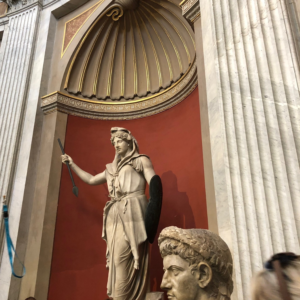
Vatican Statue Resolve

Resolve is one of my favorite words. The word just “feels” like toughness, doesn’t it? The online Merriam-Webster dictionary has several meanings for the word “resolve.” At the first of the year, many people reflect back and look ahead. They take into account their successes and failures, their regrets, and they plan ahead for a change. They resolve to do things differently.

But for most people, New Year’s resolutions don’t last. A survey put together by Forbes‘ website found that 8% of people found their resolutions lasted a month, while 21.9% announced their resolutions lasted two months. The survey found that the average resolution – a total of 22.2% of people – lasted just 3.74 months. Only 1% of the people were able to keep their resolution for the entire year. Why such a low number?

When the students in my speech class begin to talk about persuasion, we discuss that a person can be persuaded to think differently about a subject, to feel differently about a subject, and to do something differently about a subject. We talk about which is the most difficult and how to successfully accomplish each.

So most people resolve to “do” something in the coming year. They want to lose weight, or promise to exercise at the gym. But, as we just discovered, most people are not successful. What could happen to increase the chances for success?

Things to Resolve to Consider

There are several things that we need to consider. First, understand that changing behavior is a process. You cannot change behavior until you first change thinking and then change your feelings. If I want to begin to consistently exercise, I must first change how I think about exercising and then how I feel about exercising.

Second, I must clearly define my purpose and my plan. Both need to be simple and clear. If my goal is to lose weight, I need to more clearly and concretely define the weight loss. I want to lose 5 pounds in 7 days and a pound a day for the next 10 days. My plan needs to be specific. I will not eat out for the next 3 weeks. I will not drive by the Dunkin’ Donut shop on the way to work.

Third, I need to make the changes in my behavior be simple enough that they can become a habit.  How long does it take to form a new habit? Depending on the complexity and degree of difficulty of the activities, four studies have shown that forming a habit takes from about 60 days to 154 days.

Finally, I need to establish a support community to encourage and structure my behaviors. Some circles call this accountability partners, but I am not in support of the term. It gives the impression that there is someone standing over you with a yardstick waiting to smack your fingers when you do wrong. The partner helps you find the resources, courage, and strength to continue your habit.

A Specific Method

Let’s put it this way: Have you ever noticed that when you play golf by yourself, you have some of the best shots and you end up with the best score that you ever remember? Why can’t you ever shoot that well when you are with someone? When you are with someone, their presence keeps you more honest.

So, as we approach the Easter holiday, let’s prepare ourselves for this holy season. First, let’s resolve to change some ideas about how we think about Easter. We are going to look at it from a little different, a little deeper perspective. We will consider a handful of doctrines that build the foundation for our understanding of the Christian faith.

Next, we will do a couple of things to change how we feel about the Easter season. Two of our activities will make a significant difference. On a regular basis, we will develop the habit of praying to God to change our hearts. We will also spend time trying to understand forgiveness from the perspective of others.

Finally, we will resolve to change how we behave. We will set in motion a plan to make some specific changes in your life.  You will begin to do things differently. Next, you will build the structure to read the Bible on a regular basis. Then, you will also build a foundation for a regular time with God in prayer. Finally, you will also have a chance to select an area of Christian discipline that you would like to personally improve upon. All of these actions will be done in a way that will build a habit of behavior in your life that will last.

Be specific in your resolve. What changes do you need to make? What difference will it make in your relationships? How can you accomplish the changes? What steps must you take?

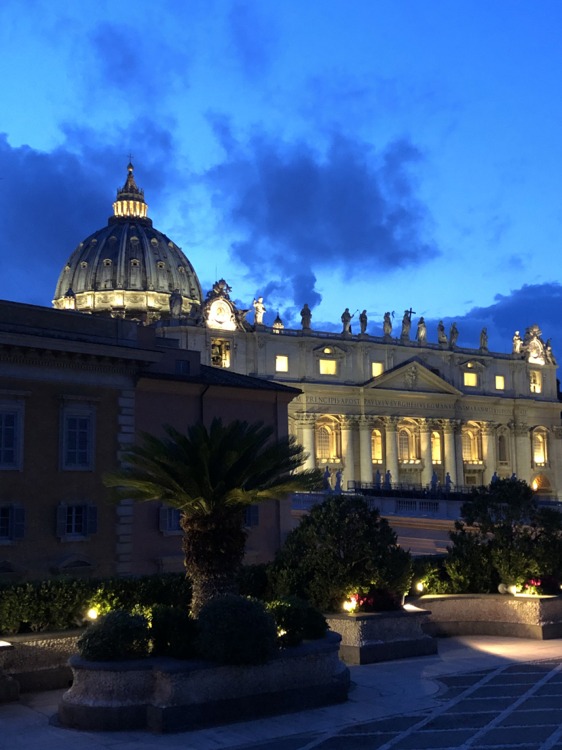
Vatican

It is difficult to believe, but Ash Wednesday is already upon us, ushering in the Lenten Season for 2026. Join us two or three times each week as we enjoy Lent Devotions, which help us prepare our minds and hearts for Easter.

Lent 2026 Scheduled Posts

There are so many ways to meditate in the days before Easter. Often, people will spend time reflecting on the suffering and endurance Jesus went through. Occasionally, the Lent Devotions will ponder the resurrection.

For Lent Devotions this year, we will spend time in the Psalms. The book stirs our emotions in a wonderful and meaningful way. We will spend our time pondering the very reason for Holy Week – our sins. By reflecting on Christ’s suffering to defeat sin, we will gain new motivation to rid our lives of the presence and plague of sin.

During most weeks, there will be new posts on Sundays, Wednesdays, and Fridays. The chart above tells you the theme and Scriptures involved in each post. Also, notice the first and last weeks of the season contain Lent Devotions each day.

Purpose of Lent Devotions

While Lent is a Catholic tradition, many other denominations follow similar practices, including Western Orthodox Churches, Lutherans, Methodists, Presbyterians and Episcopal churches. In a study conducted in 2014, a little over 70% of adults knew what Lent was. Of those who participate in Lent, almost 90% if people were giving up a food item for the 40 days. Chocolate was the food people were most likely to give up.

The practice of observing Lent remains in the discretion of each believer. While it is not an observance required by the Bible, the benefits of 40 days of prayer, fasting and study seem obvious to most. It is impossible to over-estimate the value of keeping traditions in the lives of the faithful.


Before the Resurrection

The resurrection is arguably the most unique and yet, critical, doctrine of the Christian faith. The resurrection changes our understanding of our future. It alters how we perceive our value and purpose. The resurrection validates the truth of Christianity’s teachings and claims, as it motivates and moves each step we take.

Even though all four gospels tell the resurrection story, each writer approaches the event from a unique perspective. For example, only Matthew describes the events of nature at the time of the resurrection. As the women approached the tomb, the ground suddenly begins shaking under each step – the result of an earthquake. These tremors are followed by a blaze of lightning, which actually turned out to be an angel. This unique combination put the Roman soldiers so filled with fear they could not even move.

This Easter season, let’s look at five ways being “raised with Jesus” touched the lives of the gospel writers even before the resurrection.

Perhaps you would like a quick reference all of the stories of the resurrection in one place. The chart below will give you a peek of each gospel writer’s perspective, written from several translations. The chart is followed by the resurrection perspective given later by the Apostle Paul.


raised for such a time as this raised to walk sabbaths rest raise hallelujah do not be afraid

Gospel Accounts of Resurrection Morning

  Matthew Mark Luke John
NIV Matthew 28:1-10 NIV Mark 16:1-8 NIV Luke 24:1-12 NIV John 20:1-18 NIV
NASB Matthew 28:1-10 NASB Mark 16:1-8 NASB Luke 24:1-12 NASB John 20:1-18 NASB
ESV Matthew 28:1-10 ESV Mark 16:1-8 ESV Luke 24:1-12 ESV John 20:1-18 ESV
NLT Matthew 28:1-10 NLT Mark 16:1-8 NLT Luke 24:1-12 NLT John 20:1-18 NLT
MESSAGE
Matthew 28:1-10 MESSAGE Mark 16:1-8 MESSAGE Luke 24:1-12 MESSAGE John 20:1-18 MESSAGE


Paul – 1 Corinthians 15:1-11 NIV


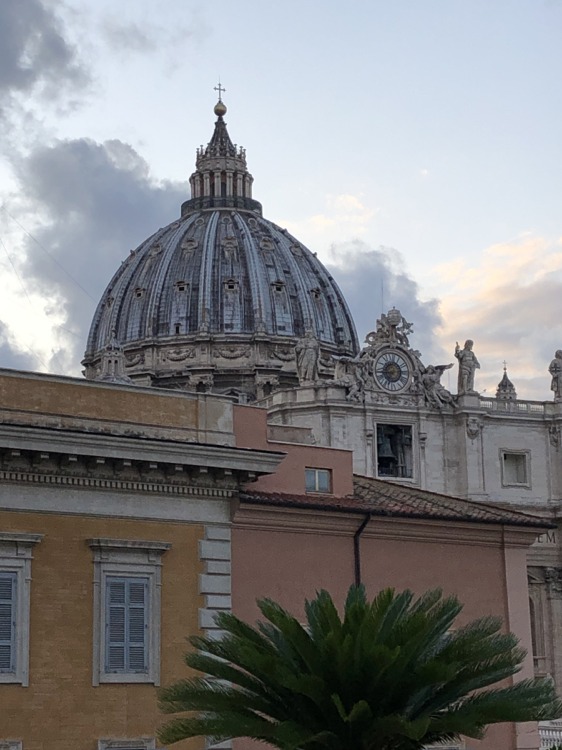
Vatican, Rome

We focused our thoughts during the last few weeks on our freedoms. Going forward, we will attempt to prepare the passion of our hearts for Easter during the season of Lent. Valentine’s Day provides the perfect setting for transition between the two.

A day to think about romance and passion dates back to pagan rituals of the Greek and Roman gods and goddesses. As the Christian faith developed, believers established a tradition of setting aside a day to honor and celebrate those who had become Christian martyrs during the days of Roman persecution.

Officially, Pope Gelasius I established St. Valentine’s Day on February 14th in the 5th century to replace the celebrated pagan festivals.

Roman Catholic Traditions

The Roman Catholic Church recognizes at least three different third-century martyred saints named Valentine or Valentinus. One legend holds that Valentine was a priest in Rome. When Emperor Claudius II decided that single men made better soldiers than married men with families, he outlawed marriage for the younger men. The tradition holds that this priest named Valentine defied the order and continued to marry couples in secret. Claudius discovered Valentine’s defiant behavior and ordered him executed.

Others recall a bishop in modern-day Terni, Italy, named Valentine. Claudius executed Valentine for refusing to renounce his faith and continuing to convert others to Christianity.

There are other traditions that link a Valentinus to a martyr’s death for helping Christians escape the harsh Roman prisons. The Romans beat and tortured believers for their faith. One legend identifies an imprisoned Valentine who sent the first “valentine” greeting himself. The story says that while in prison, Valentine fell in love with the jailor’s daughter who would be kind to him and bring him food. Before his execution, the tradition says that he jotted her a note signed, “From your Valentine,” a phrase that is still in use today.

The celebration of a day of passion was high on the minds of the Romans since the day of the Roman founders, Romulus and Remus. As pagan traditions were replaced by Christian rituals and traditions, shifting the celebration of passion to a remembrance of the passion of the Christ seemed almost natural.

The Passion of the Christ

Easter week often refers to the “Passion of the Christ.” You might recall the Mel Gibson produced movie of the same name. It is called the “Passion of the Christ” because the word passion comes from the Latin passio, which means “to suffer” or “to endure.” The intense physical, mental, and spiritual suffering that Jesus endured during his final week of life on earth speaks not only to suffering but to the depth of his love and endurance of pain for others.

The season of Lent is a 40-day solemn time of preparation for Easter. The time begins on Ash Wednesday and ends on Maundy Thursday. Technically, the time does not count Sundays as a part of the 40 day period.

The days focused on spiritual renewal, repentance, and self-reflection. The Roman Catholic Church defined those reflections through prayer, fasting, and almsgiving (giving offerings to the church). Common traditions included giving up the luxury of eating meat on Fridays, sacrificing activities that were done for pleasure, and performing acts of charity for others.

Giving vs Taking

People usually give up items of comfort and pleasure for Lent. Over the years, chocolate, sweets, coffee, alcohol, sodas, and meats were the most common sacrifices for people. Lately, people have given up using social media, watching television, or going out to eat at restaurants.

This year for Lent, what if we thought about “taking up” instead of “giving up.” Jesus said that we were to “take up our cross and follow him.” We usually associate that with total surrender and daily sacrifice.

What if, during Lent this year, I took up the challenge of not arguing with people about politics for 40 days? Perhaps I could be less judgmental towards people who are different than me, or who hold different beliefs.

Maybe that would help me understand what Christ’s passion really was all about.

Reaching the Lost

I finished reading another book over the weekend about how the church can reach the millennials. Churches so want to attract the next generation – and usually for very pure, very biblical reasons. The books talk about crafting a clearer vision. The books speak about […]