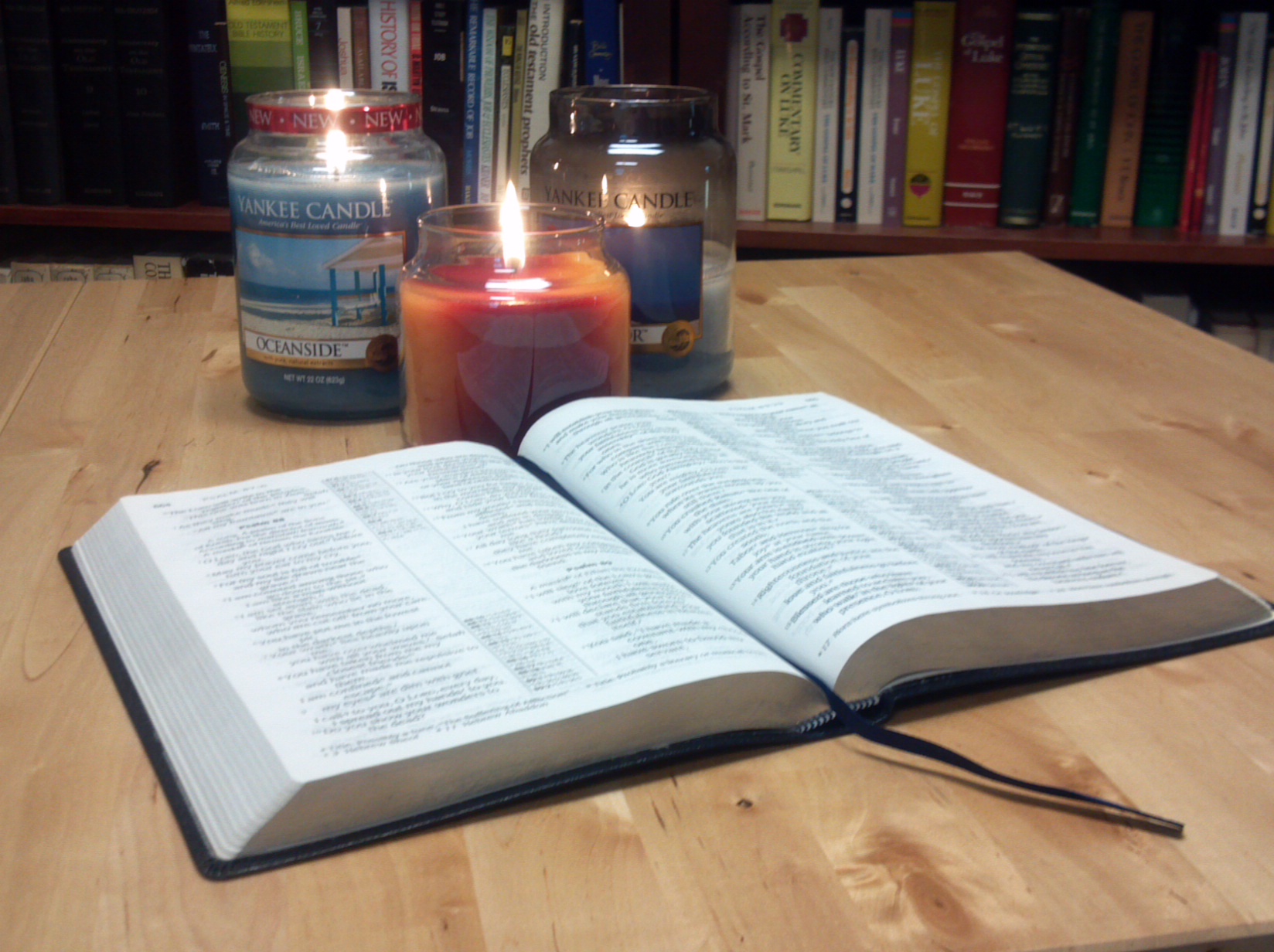
Many people find it difficult to know how to study the Bible. The varying ages of the text, the differences in the cultures of the Mediterranean and America, the diverse literary styles and genres, and the large amount of material makes it overwhelming and intimidating for a number of believers. In addition, the Bible contains passages that have difficult material or morally challenging teachings. Is there a method that can provide structure and consistency?
It is also difficult to understand something if you do not read it. In the United States, about half of adults read the Bible less than twice a year – would that sound like Christmas and Easter to you? Unfortunately, nearly 60% if self-identified Christians rarely or never read it. Readership has surged recently because Millennials and Gen Z people are reading the Bible more often.
About 9% of US adults say that have never read any part of the Bible. Another 57% are what the American Bible Society calls “Biblically Disengaged,” meaning they do not interact with the Scriptures in any consistent or meaningful way. Although 87%of Americans own a Bible, only about 13% say they have read through the Bible completely at least once. About 9% claim to read the Bible every day.
a method to the madness?
If you select a book or website or a method to help you study the Bible, you are likely to find a detailed structure to help you better understand the Scriptures. Often the plan itself can be confusing and often discouraging. Koinonia Bible Studies suggests a fairly simple five-step plan to assist you in your Bible reading and study. While you may not immediately be ready to teach at a Seminary, the plan will help you see patterns in the Scriptures. You will develop habits that can guide you no matter which book of the Bible you choose to study.
From now on, promise to do FIVE things in this method to every passage of Scripture that you study:
STEP ONE | Read It
The numbers are staggering. A survey from 2021 discovered that only 11% of Americans profess to reading the Bible daily. Trends in their reading habits over the last four years show the majority of Americans never read their Bible at all. Although the figures show that fewer people are reading the Bible, the vast majority own a Bible and claim they have genuine desire to read it. About 56% of those queried expressed an interest in reading the Bible but were not sure how or where to start.
The vocabulary of the Bible is more challenging than some books because its vocabulary is more advanced and more specialized than most readers are accustomed. The phenomenon is not unique to Christianity. If you were to pick up a doctor’s medical journal, you would find its vocabulary challenging as well.
The first step in the Koinonia Bible Study method is to read the Bible. Today the Scripture is translated into several different English reading levels. You will be encouraged to read your passage from the Bible from several different sources to help you better understand its vocabulary and its meaning.
In addition to vocabulary differences, Bibles are produced to help meet your reasons for reading. You will learn about the different types of translations and the purposes behind the translations.
You will get a chance to actually understand what you are reading.
STEP TWO | Connect It
The second step in the Koinonia Bible Study method is to connect the passage of Scripture to its context.
You have probably heard many preachers tell you that context is important when understanding Scripture. When they speak about context, they usually tell you to look at the verses before and after the verse you are studying. The truth is context is much bigger than that.
Context is always important when understanding the meaning of something that you read. If a website records, “The United States has conducted airstrikes against Iran,” you need to know its context before you can understand that sentence. The United States has conducted several airstrikes against Iran, especially since the Iranian Revolution in 1979. Strikes have taken place in every decade since, often aimed at Iranian-backed terrorist groups rather than the country. As of this writing, the US marked significant escalation in its military actions against the country.
Understanding the context is critical for interpreting the Bible accurately. Context includes several concepts, including the historical background for the events, the cultural setting, the literary aspects of the passage, and the theology of the passage. By connecting the verses to these contexts, the reader can avoid many common misunderstandings about the Bible.
STEP THREE | Wrangle It
This may be the only time you are ever told to do this with a verse in the Bible. Step Three wants you to take the passage of Scripture and wrangle it – go over the verses like you are Dick the Bruiser in a championship wrestling match. Google that name, if you have to 🙂
When my children were younger, we had a spirited, feisty dog who was part German Shepherd and part everything else. “Jake” loved the rawhide bones you could buy at the store. When we would give him a rawhide bone, Jake would wrangle the bone. He would take the bone in his mouth and he would flip it back and forth from side to side and from up to down until every millimeter of the bone was covered in dust. He would take it from one side of his tree to another, moving it sometimes carefully, sometimes chaotically. Jake would “wrangle” the bone for hours until he was finally tired. He would then bury it, saving it for another wonderful playtime.
Have you ever spent that much time and energy with a passage of Scripture? Have you ever “played” with Scripture in your mind with that kind of excitement and passion? Think of how you would feel about the verses. Later, when you returned to the verse, your adventure could begin again – and you would probably gain new and different insights from another wrangling session.
STEP FOUR | Build It
Next, the Koinonia Bible Study method wants you to build the passage of Scripture a place in your life.
If you brought a verse of Scripture into the “home” of your life, where would you put it? What kind of things are you naturally interested in? What personality bends do you have? How will you relate Scripture to the things of your life? What part(s) of the passage will you hold the closest to your heart?
I have a natural interest in sports and music. My younger years were spent playing baseball and basketball. I constantly listened to records and radio; I played in the band and sang in the choir. The Bible’s analogies between athletic endeavors and our spiritual journey are immediately embraced in a way other passages are not. David’s psalms connect with my musical interests and light a fire inside me that other passages do not.
build it upon your interests
I teach speech and communication at a regional college. Language and how words are used intrigue me beyond measure. My bookshelves are filled with books about persuasion and communication, rather than science fiction or fable. I studied six-years of the Greek language at the Seminary. I am magnetically drawn to the New Testament because of my love for that language, rather than to the Old Testament and the year of Hebrew that I endured.
In the middle of the highest shelf in my home, a glass decanter resembling the top of a totem statue. The decanter once housed premium cigars and still casts a scent when you lift the lid. I have never smoked a grain of tobacco through my entire life. The decanter was a gift from my favorite uncle. The decanter has held precious real estate in every home for over fifty years, not because of the value of the decanter but because of the value my uncle holds in my heart.
What kind of a place will you build to display this passage of Scripture in your heart?
STEP FIVE | Share It
Finally, if you really want to understand a passage of Scripture, the Koinonia Bible Study method suggests that you share it with others. When you explain a passage to someone else, the concepts codify in your brain and you remember them. The teacher always learns so much more than what can be shared in a lesson.
Research indicates that repetition and teaching others improve memory retention at a significant pace. Teaching others requires a deeper understanding and organization of knowledge. It also exposes the teacher to the material an additional time. Engaging in active learning has been proven to boost recall and comprehension.
When you study a passage of Scripture, talk to others about the passage. Even a conversation with your family around a dinner table will provide the opportunity. Write a post on Facebook explaining that you just studied a verse and explain what truths you have embraced,
Share the passage of Scripture with someone else.
In Conclusion
The Koinonia Bible Study Method takes longer than a two-minute glance at a page in the Bible. When you have this kind of “fellowship” with the Word of God, the moments melt into memories that can change who you are.